AWS Deepens Engagement with Korean Developer Community, Unveils Advanced AI Coding Tools, and Addresses Billing Anomaly

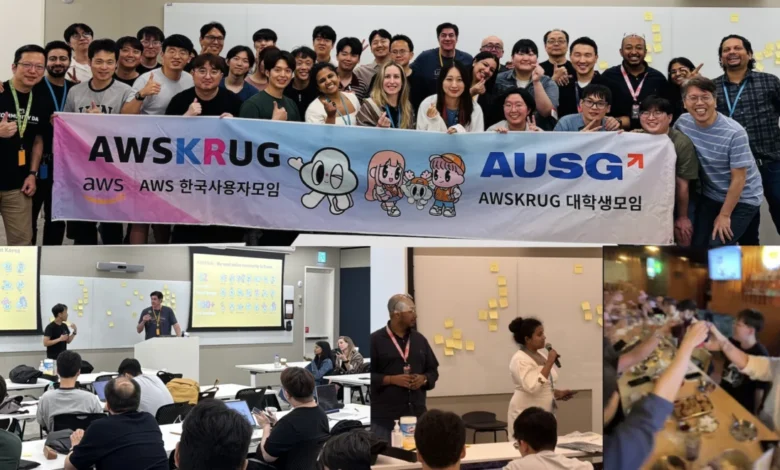
Amazon Web Services (AWS) has continued its strategic outreach to global developer communities, with a key visit to Seoul to engage with leaders of the AWS Korea User Group (AWSKRUG). This engagement underscores AWS’s commitment to fostering vibrant developer ecosystems worldwide, while simultaneously advancing its suite of AI-powered development tools and navigating operational challenges, including a recent billing data inaccuracy incident.
Strengthening Global Developer Ecosystems: AWS’s Visit to Seoul
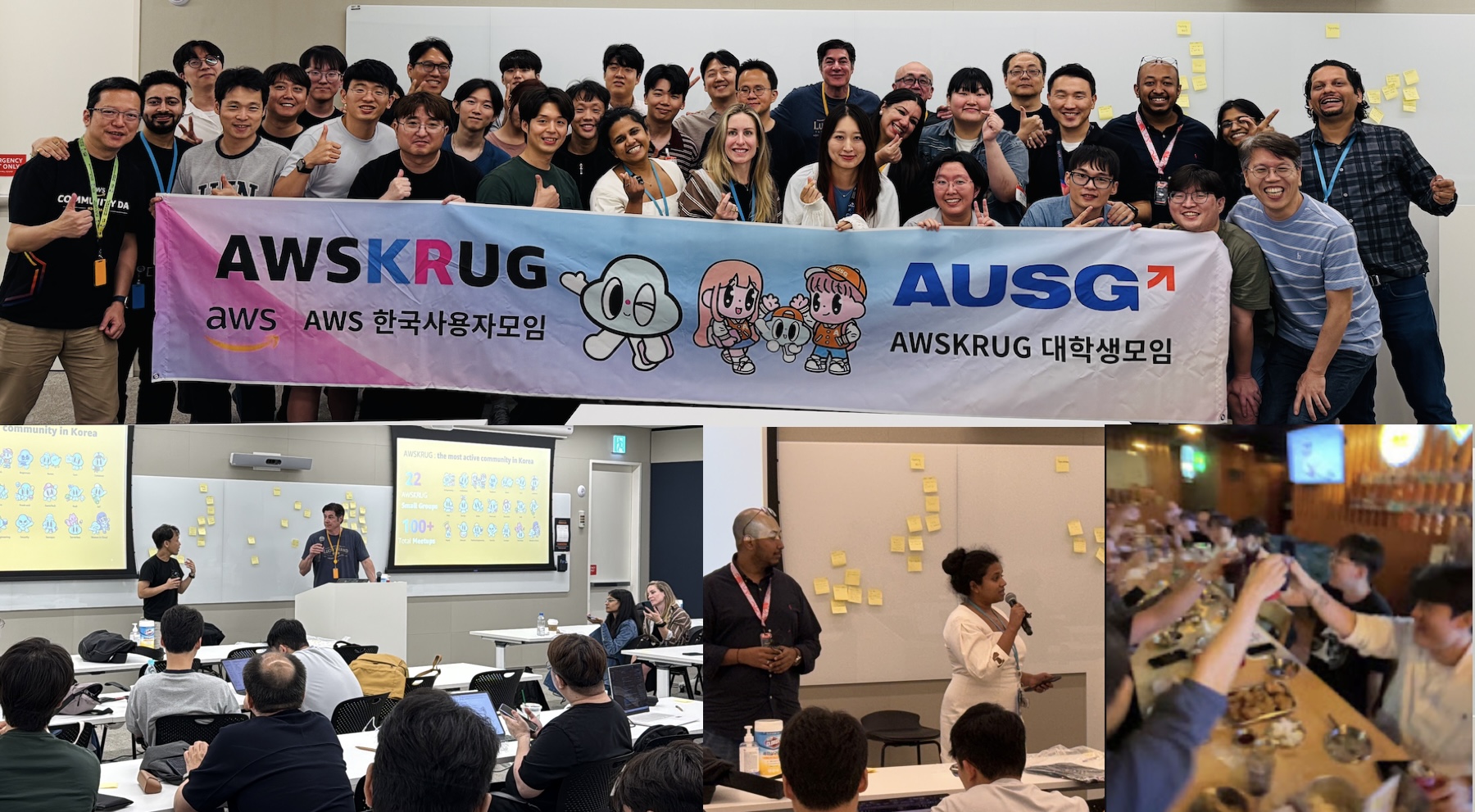
In a significant move to reinforce its ties with the Asia-Pacific developer community, a team from AWS recently concluded a visit to Seoul, South Korea. The primary objective was to connect with the leadership of the AWS Korea User Group (AWSKRUG), a formidable force in the region’s cloud computing landscape. AWSKRUG stands as Korea’s largest cloud developer community, boasting an impressive network of 20 distinct meetup groups, each specializing in various topics or catering to specific geographic areas. Collectively, these groups orchestrate over 100 events annually, predominantly hosted in the bustling tech hub of Seoul.
The Importance of User Groups in Cloud Adoption
Developer user groups like AWSKRUG play an indispensable role in the rapid adoption and effective utilization of cloud technologies. They serve as crucial grassroots platforms for knowledge exchange, peer-to-peer learning, and community building. In a dynamic and fast-evolving field like cloud computing, these groups enable developers to stay abreast of the latest services, share best practices, troubleshoot challenges, and foster innovation. For AWS, engaging directly with these communities provides invaluable insights into real-world developer needs, pain points, and aspirations, directly influencing future product development and service enhancements. The direct feedback loop generated through such interactions is critical for refining the AWS Developer Experience.
The AWS team’s consistent visits across the Asia-Pacific region are a testament to this strategy. These engagements are not merely ceremonial but are designed to facilitate candid discussions where user group leaders can openly share feedback, highlight successes from the preceding half-year, identify areas for improvement, and articulate specific requests to the AWS Developer Experience team. This reciprocal dialogue ensures that AWS’s support for these communities remains relevant and impactful. The Seoul meeting concluded with a pleasant social interaction over "Chimaek," a popular Korean pairing of fried chicken and beer, symbolizing the cultural integration and camaraderie that often characterize these community-building efforts. Such informal settings often foster deeper connections and more open communication, reinforcing the collaborative spirit between AWS and its developer base.
South Korea’s Vibrant Tech Landscape
South Korea represents a highly advanced and digitally-driven economy, characterized by rapid technological adoption, robust internet infrastructure, and a highly skilled workforce. The nation is a global leader in areas such as 5G connectivity, artificial intelligence, and e-commerce, making its developer community particularly influential. Cloud computing adoption in Korea has surged in recent years, driven by digital transformation initiatives across industries and the burgeoning startup ecosystem. AWSKRUG’s extensive reach and frequent events are indicative of this vibrant environment, positioning Korea as a critical hub for cloud innovation and developer talent in the APAC region. The insights gathered from such a sophisticated market are therefore of immense value to AWS’s global strategy.
Advancing AI-Powered Development: One-Click Lambda Setup for Coding Agents
A significant highlight from the past week’s launches was the introduction of a one-click Lambda setup prompt for coding agents. This innovative feature represents a substantial leap forward in integrating artificial intelligence into the software development lifecycle, particularly for serverless architectures. It simplifies the process of configuring AI coding agents to leverage AWS Serverless capabilities and adhere to best practices from inception.
The Rise of AI in Software Development
The landscape of software development is being rapidly reshaped by artificial intelligence. AI-powered coding assistants, such as GitHub Copilot, Amazon CodeWhisperer, and various large language model (LLM) based agents like Claude Code, Kiro, Cursor, Codex, Devin Desktop, and OpenCode, are becoming indispensable tools for developers. These agents promise to enhance productivity, reduce boilerplate code, and even assist in debugging and design. However, effectively integrating these powerful AI tools with cloud infrastructure, especially complex serverless environments, often presents a steep learning curve. The new Lambda setup prompt directly addresses this challenge.
Streamlining Serverless Development with AI Agents
The core functionality of this new prompt is to automatically configure an AI agent with essential AWS Serverless skills and integrate it with the Serverless Model Context Protocol (MCP) server. This integration is critical as it embeds serverless best practices directly into the agent’s operational framework from the very beginning. By doing so, developers can ensure that the code generated or assisted by their AI agents is optimized for AWS Lambda, promoting efficiency, scalability, and cost-effectiveness.
The prompt references a comprehensive Lambda agent setup guide, providing detailed installation commands tailored for a wide array of popular AI coding agents. This broad compatibility ensures that developers using their preferred AI tools can seamlessly adopt this new functionality. To initiate the setup, users simply select the Copy agent prompt button conveniently located on the Lambda console screen, or manually copy the URL fetch https://docs.aws.amazon.com/lambda/latest/dg/samples/aws-lambda-agent-setup.md. This URL is then pasted directly into the developer’s chosen AI agent interface, triggering the automated configuration process.
This mechanism dramatically reduces the time and effort traditionally required to correctly set up an AI agent for serverless development. Instead of manual configuration and potential missteps, developers can rely on an AWS-engineered solution that instills best practices from the outset. This not only accelerates development cycles but also fosters a more robust and secure serverless application environment.
Enhancing AI Agent Capabilities with Agent Toolkit for AWS
Further enhancing the capabilities of AI coding agents, AWS also highlights the Agent Toolkit for AWS. This toolkit is designed to bridge the knowledge gap between general-purpose AI models and the vast, evolving landscape of AWS services. By using the toolkit, developers can imbue their coding agents with current, accurate AWS knowledge and enable them to access AWS resources securely. This means an AI agent can not only suggest code but also understand the nuances of specific AWS services, their configurations, and best security practices.

Installation of the AWS MCP Server, a key component for this enhanced functionality, is facilitated by the command fetch https://raw.githubusercontent.com/aws/agent-toolkit-for-aws/refs/heads/main/setup-instructions/setup.md. This server acts as an intermediary, providing the AI agent with the necessary context and permissions to interact intelligently and safely with AWS environments. The combination of the one-click Lambda setup prompt and the Agent Toolkit for AWS signifies AWS’s strategic vision: to empower developers by making cutting-edge AI assistance an integral, yet seamless, part of cloud application development. This initiative not only lowers the barrier to entry for AI-powered coding but also ensures that the resulting applications are built on a foundation of AWS best practices.
Operational Transparency: Resolution of Cost Explorer Billing Anomaly
Amidst the week’s strategic engagements and feature launches, AWS also addressed an operational incident concerning its billing services. Last weekend, some customers reported experiencing an issue with Cost Explorer displaying inaccurate estimated billing data. This anomaly led to several related complications, including customers potentially receiving erroneous budget and cost anomaly detection alerts. Furthermore, affected users observed inflated estimated cost and usage data, causing significant concern regarding their cloud expenditures.
Chronology and Impact of the Incident
The incident, which primarily affected estimated billing data, emerged over the preceding weekend. Customers relying on Cost Explorer for real-time insights into their cloud spending would have encountered discrepancies, showing higher-than-expected figures. This directly impacted financial oversight and planning, potentially leading to unnecessary alarm or misinformed decisions about resource allocation. For businesses heavily reliant on cloud financial management (FinOps) practices, such inaccuracies can disrupt budgeting, forecasting, and cost optimization strategies. Erroneous alerts, in particular, can lead to "alert fatigue" or, more critically, distract from genuine cost anomalies.
AWS Response and Resolution
Upon identification, AWS promptly initiated an investigation and worked towards a resolution. The company confirmed that the issue has since been resolved, and all AWS services are now operating normally, including the accurate display of billing data in Cost Explorer.
In a statement reflecting its commitment to customer trust and operational excellence, AWS issued an apology: "We apologize for the concern this incident caused our customers and are conducting a thorough retrospective to prevent events like this from reoccurring, as well as improving our response when billing incidents occur." This commitment to a "thorough retrospective" is standard practice for AWS following any service disruption. It involves a deep dive into the root cause, an analysis of detection and mitigation strategies, and the implementation of corrective actions to enhance system resilience and incident response protocols. For real-time updates and detailed information regarding service health, customers are always directed to the AWS Health Dashboard, which serves as the authoritative source for service status across the global AWS infrastructure.
Implications for Cloud Financial Management
This incident underscores the critical importance of accurate and timely billing data for businesses operating in the cloud. Cloud computing offers immense flexibility and cost efficiency, but effective financial governance, often termed FinOps, is paramount. FinOps relies heavily on precise cost visibility and control. While temporary billing inaccuracies are rare for AWS, any such incident highlights the potential financial and operational implications for customers and reinforces the need for robust monitoring systems, both on the provider and customer sides. AWS’s transparent communication and commitment to internal review are essential for maintaining customer confidence in its billing and operational reliability.
Broader AWS Updates and Community Engagement
Beyond these major developments, AWS continues to release a steady stream of updates and foster community engagement. A full list of all new announcements is consistently published on the "What’s New with AWS" page, providing a comprehensive overview for developers and businesses. Similarly, the "AWS Blogs" page serves as a valuable resource for in-depth articles, technical guidance, and insights from AWS experts across various domains.
AWS also actively promotes a wide array of events designed to educate, connect, and empower its diverse user base. These include AWS-led in-person and virtual events, specialized startup events, and developer-focused gatherings such as AWS Summits. These platforms are crucial for sharing knowledge, showcasing new services, and facilitating networking opportunities within the global AWS community. Furthermore, the AWS Builder Center provides a dedicated online space for builders to connect, share solutions, and access curated content that supports their ongoing development journey. These continuous efforts demonstrate AWS’s holistic approach to supporting its ecosystem, from foundational infrastructure to community-driven innovation.
This past week has highlighted AWS’s multifaceted strategy: investing in global developer communities, pioneering new tools that integrate AI into core development workflows, and maintaining transparency and accountability in addressing operational challenges. These efforts collectively aim to strengthen the AWS ecosystem, empower its users, and reinforce its position as a leading cloud provider.
Related posts: